
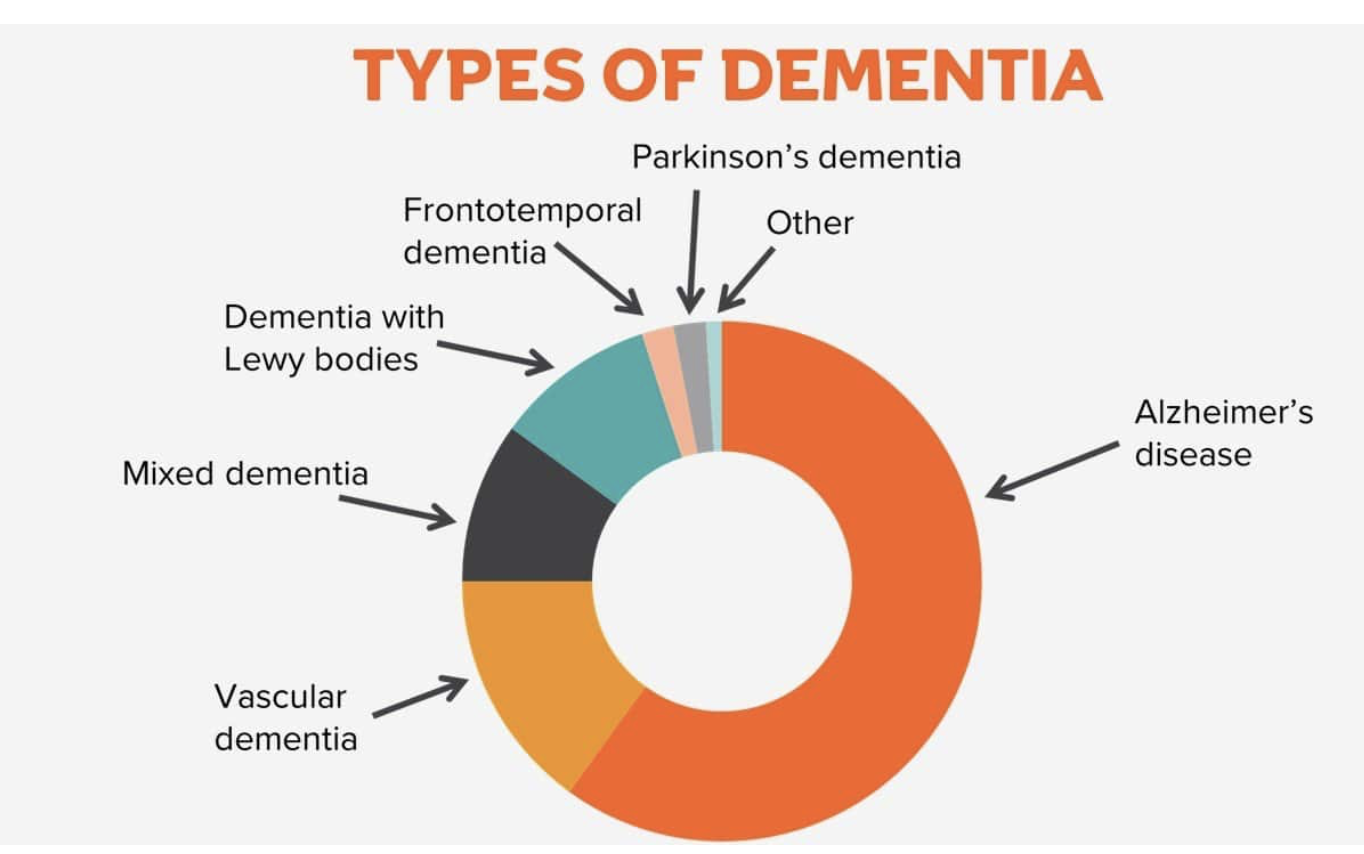
The word ‘dementia’ is used to describe a group of symptoms (Alzheimer’s Research UK)
Sari B. Shuman at al., 2017: As dementia progresses, an individual will eventually require assistance with activities of daily living (ADLs) (e.g., eating, grooming, mobility) and instrumental activities of daily living (IADLs)
(e.g., meal preparation, shopping, financial and medication management) (Karon et al., 2015
Misconceptions about Dementia
World Alzheimer’s Report, 2019, pp. 10-12
- Almost 80% of the general public are concerned about developing dementia at some point and 1 in 4 people think that there is nothing we can do to prevent dementia.
35% of carers across the world said that they have hidden the diagnosis of dementia of a family member from at least 1 person.
- 75% of carers admit conflict between caring and other responsibilities.
40% of the general public think doctors and nurses ignore people with dementia


Life Story book
- It’s best to begin creating a life story book while the person is still able to actively contribute to and control the process
- As an activity at the appropriate cognition level, it restores a sense of purpose, identity and control by challenging but not frustrating the person.
- Creating a life story book is often as good, or better than drug treatments – and without their side – effects
- A person with dementia may recognise their own story when told to them, even if they struggle to tell it themselves